Citizen surveys are a powerful tool for engaging communities and gathering valuable feedback that can shape public policy and decision-making. These surveys provide a direct line of communication between citizens and their local governments, allowing residents to voice their opinions on various issues, from infrastructure projects to public services. By effectively designing and implementing citizen surveys, municipalities and organizations can ensure that the voices of their communities are heard and that the data collected leads to meaningful change.
In this article, we’ll explore what makes a citizen survey successful and 6 inspiring examples of successful citizen surveys that have had a significant impact on their communities. Each example demonstrates the power of well-designed surveys to inform decision-making, prioritize resources, and improve overall community satisfaction.
For more insights on creating effective citizen surveys, you can explore resources like the OnPointe Insights guide on community engagement surveys.
What Makes a Citizen Survey Successful?
A successful citizen survey involves more than just asking questions; it requires careful planning, strategic design, and effective execution. Below are key elements that contribute to the success of a citizen survey:

1. Clear Objectives
A successful citizen survey begins with clear objectives. It is essential to understand what you want
to achieve with the survey—whether it’s gathering feedback on community services, understanding public opinion on a new policy, designing a great park, or prioritizing budget allocations. Setting clear objectives helps design questions that are directly aligned with the survey’s goals, ensuring that the data collected is relevant and actionable.
2. Engaging Stakeholders
Involving key stakeholders in the survey design process is crucial. This includes city leaders, department heads, and even community organizations. By engaging these stakeholders early on, you can ensure that the survey addresses the most pressing concerns and that the results will be utilized effectively. It also minimizes the potential of having results rejected or doubted after months of hard work. (Bloomberg Cities).
3. Representative Sampling
To get accurate and meaningful results, it’s vital to reach a broad and diverse segment of the community. This means making an effort to include residents from different demographics, socioeconomic statuses, and geographic areas within the city. Ensuring that your sample is representative of the entire population helps avoid biases and ensures that the survey results truly reflect the views of the community. We’ll work with you on distribution approaches that maximize broad participation. Methods such as follow-up reminders and offering multiple ways to participate can help in achieving a more representative sample(ICMA).
4. Survey Design and Length
The design of the survey plays a significant role in its success. The questions should be clear, concise, and relevant to the survey’s objectives. Additionally, the survey should be kept as short as possible to avoid respondent fatigue, which can lead to incomplete or inaccurate responses. Surveys that take 10 to 12 minutes or less are generally more successful in maintaining participant engagement(Bloomberg Cities).
5. Data Visualization and Utilization
Finally, the true measure of a survey’s success lies in how useful and intuitive the data is. Don’t settle for reports with pages and pages of near-identical visualizations. Assure your reports are designed for executive decision-making and that they create unity among your leadership team and not more questions and ambiguity. Further, successful citizen surveys are not just one-off exercises; they should be integrated into the broader decision-making processes of the city. For example, survey data can be used to inform strategic planning, budget allocations, and policy development (ICMA, PlannersWeb).
By focusing on these key elements, cities and organizations can have citizen surveys that not only gather valuable feedback but also drive meaningful change and improve community engagement.
6 Inspiring Examples of Successful Citizen Surveys
Citizen surveys can significantly impact communities by giving residents a voice in decision-making and shaping public policies. Here are 6 inspiring examples of successful citizen surveys that have driven meaningful change.
1. Coppell, Texas – Retail and Dining
Citizens of Coppell Texas routinely asked for more restaurants. City leaders had different ideas of what that might look like but there were many assumptions being made. This survey showed which restaurants residents visit in other cities, and asked residents which restaurants should be added in Coppell. The elegant design allowed for clear decisions and provided the groundwork for solving resident desires. Leaders were surprised to find that some of their assumptions were incorrect and they were grateful for the clear direction provided by their residents. Retail options were similarly addressed and guided by this effective survey. (Coppell, TX Retail and Dining Survey)
2. Melissa, Texas – Planning and Budgeting Survey
Melissa Texas City Leaders were very pleased with the direction and prioritization they received from their CityPOV survey. Instead of simply revising prior plans or making guesses about what mattered to citizens based on the few who show up in city hall they were able to make data driven decisions during their budgeting and planning cycle to provide the most benefit to the most people possible in their city.(Melissa, TX Planning and Budgeting Survey)

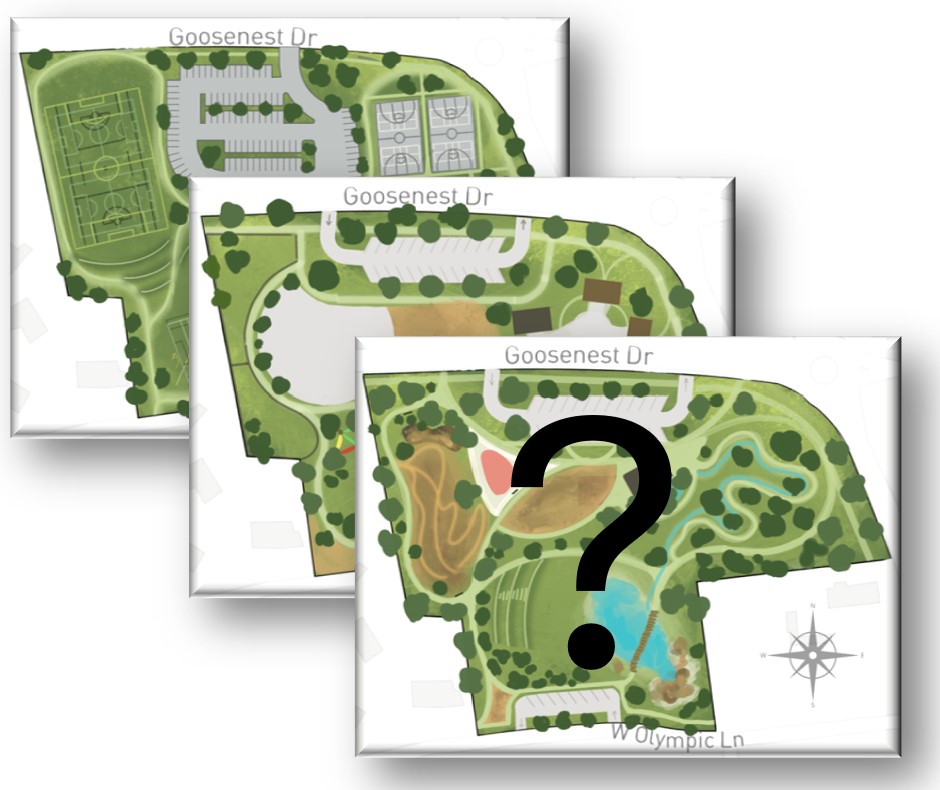
3. Elk Ridge, Utah – Designing a Park Citizens Love
We worked with Elk Ridge City, Utah as a great example of getting citizen feedback, not only to design a great park but to gain support for the project as well. This was an educational survey that allowed residents to understand possibilities in a clear and visual way, so that they could respond honestly to options under consideration.
This survey is an illustrates that when residents can see the city’s vision they are more likely and more able to provide genuine support and feedback. (Elk Ridge, UT Park Survey)
4. Farmington, Utah – Support for City Street Improvements
Will citizens support the city acquiring and fixing neglected county roads? Farmington leaders were able to educate their residents and make a clear decision and move forward with a road improvement plan with confidence.
5. Hayden, Idaho – Traffic Flow Improvement Priorities
Hayden Idaho knew that as their city continued to grow traffic would only get worse. This survey allowed them to get ahead of the problem and know which intersections to prioritize for traffic flow improvements. This well-designed survey with the end analysis in mind from the beginning provided the direction they needed.
6. Marco Island, Florida – After Action Employee Survey
On September 28, 2022, Hurricane Ian hit the west coast of Florida as a Category 4 hurricane and was the deadliest hurricane to hit Florida since 1935 with at least 157 fatalities.
In the weeks following the hurricane, staff worked tirelessly to clear the roads, repair traffic signals, and restore power. A typical after-action report would take many weeks and hours of time to complete. Using OnPointe Insights Marco Island had their staff’s needs assessed and suggestions for improvement in just one week.
FAQs about Citizen Surveys
1. What kind of citizen survey is best for my city?
The best citizen surveys help you move forward on decisions that your city leadership is wrestling with. A useless survey asks a number of interesting questions. A useful survey helps create alignment, prioritization, and clarity on the next steps. Some surveys are broad, covering many topics with prioritization to help your city create focus. Other cities are laser-focused on a problem to be solved or determining the level of support for a proposed direction. .
2. How do you create an effective citizen survey?
To create an effective citizen survey, it’s essential to define clear objectives, ensure the questions are relevant and easy to understand, and include a representative sample of the population. Additionally, keeping the survey short and accessible can increase response rates and provide more accurate results. More than anything, create a survey that you would like to take, that is kind and not burdensome and monotonous. And minimize the number of comments or open-ended questions to 2 or 3 maximum. They take a lot of resident time and create as much ambiguity as they do clarity.
3. What are the benefits of conducting a citizen survey?
You may have conducted many citizen surveys in the past with varying levels of usefulness and benefit. We find that cities benefit most when the survey is designed to bring alignment among city leaders and when results are obvious so that leadership teams can move forward with confidence. There are many generic benefits as well, including gaining valuable insights into public opinion, improving community engagement, and guiding policy development. A good citizen survey also helps you prioritize resources and address the most pressing concerns of residents.
Conclusion: Harness the Power of Citizen Surveys for Community Growth
Citizen surveys are a powerful tool for local governments and organizations to engage with their communities, gather essential feedback, and drive meaningful change. By learning from the examples of successful surveys, city leaders can better understand the needs of their residents and make informed decisions that enhance quality of life. Implementing well-designed surveys not only improves public services but also fosters greater trust and transparency between citizens and their leaders. You may be just starting out. Perhaps you are looking to refine your approach that did not work as well as desired. Either way, feel free to reach out to us for guidance or support.